
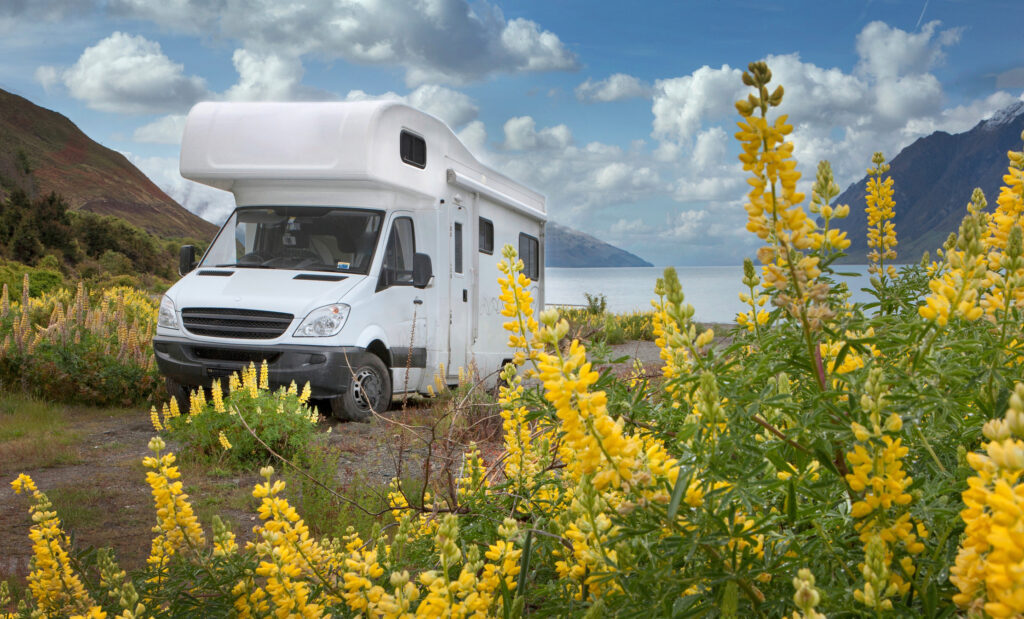
You finally hit the road in your dream RV—only to discover that your “home on wheels” spends more time at the dealership than at the campground. Naturally, you start wondering: Is there a lemon law for motorhomes in California?
There is.
But with RVs and specialty vehicles, California’s Lemon Law is less like a straight line and more like a scenic route with a few legal detours.
Some vehicles fit squarely within the classic “new motor vehicle” framework. Others may still qualify, but under the broader Song-Beverly Consumer Warranty Act rules for consumer goods.
So, the short answer is “Yes.” But coverage depends on the type of vehicle
California’s lemon law protections are strongest and most straightforward for traditional motor vehicles. But the statute is broader than many people realize. It also protects many consumer goods sold with express warranties, which is why RVs, trailers, motorcycles, and some boats can enter the conversation at all.
That means the better question is not just “Is my RV covered?” It’s: What kind of vehicle is it, and which part is defective?
Motorhomes
When it comes to motorhomes, the motorized side is the clearest fit.
With a motorhome, California law draws an important distinction between the driving portion and the living portion.
The strongest Lemon Law candidates include:
- Engine
- Transmission
- Drivetrain
- Brakes
- Steering
- Suspension
- Chassis and chassis cab
- Electrical systems related to vehicle operation
If those systems were covered by the manufacturer’s original warranty and still could not be fixed after a reasonable number of attempts—or kept the vehicle out of service for a prolonged period—you may have a strong California lemon claim.
The living area of a motorhome is more complicated
Here is where many RV owners get tripped up. The traditional “new motor vehicle” framework generally does not extend as cleanly to the portion of a motorhome designed primarily for human habitation. BBB’s California summary also notes that the law’s “new motor vehicle” coverage does not include the habitation portion of a motorhome.
That usually means issues involving:
- Refrigerators
- Plumbing
- Cabinetry
- Trim
- Slide-outs
- Entertainment systems
- Interior fixtures
may not fit the same straightforward vehicle-presumption analysis as the engine or chassis. Still, depending on the warranty and the facts, there may be consumer-goods warranty remedies available under the Song-Beverly act.
Towable RVs, Travel Trailers, and Fifth Wheels
Towable RVs are not typically treated like “new motor vehicles” because they are not self-propelled. But that does not automatically mean they are excluded from California lemon protections altogether. Since Song-Beverly covers many consumer goods sold with express warranties, a travel trailer or fifth wheel may still support a warranty-based lemon claim if it was purchased or leased for personal, family, or household use and the manufacturer failed to repair a substantial defect.
Towable RVs may be covered, but often under the broader consumer-goods provisions rather than the narrower “new motor vehicle” presumption rules.
What About Motorcycles?
Motorcycles are another category where the answer depends on which part of California’s lemon framework you are talking about.
Some summaries of California’s “new motor vehicle” lemon law exclude motorcycles from that narrower presumption category. But many California lemon practitioners and warranty analyses note that motorcycles can still be pursued under the broader Song-Beverly Act as consumer goods sold with express warranties.
In practical terms, that means if your motorcycle:
- Was purchased or leased for personal use,
- Came with a manufacturer’s warranty, and
- Has a defect substantially affecting use, value, or safety that has not been repaired after reasonable opportunities,
You may still have a valid California claim.
What About Boats?
Boats are similar. They usually are not discussed under the classic automobile-style “new motor vehicle” lemon framework, but may still qualify as consumer goods under Song-Beverly if sold with an express warranty. That means a defective boat may support a California warranty claim when the facts line up—even though the legal path may look different than it would for a passenger car.
So, while a boat case is often less plug-and-play than a sedan case, it is not outside the conversation.
Specialty Vehicles and Modified Vehicles
Specialty vans, custom builds, and other unusual vehicles often fall into a gray area. Whether they qualify depends on:
- Whether they are motorized.
- Whether the defect involves the original manufacturer’s warranted components,
- Whether they were bought or leased for personal/family use or qualifying small-business use, and
- How warranty paperwork is structured.
In other words, these are exactly the kinds of cases where broad statements online can get people into trouble.
The same core rules still matter.
Even when the category gets more complex, the basics usually stay the same. Your case is stronger when:
- The defect arose under the manufacturer’s original warranty
- The issue affects use, value, or safety
- The manufacturer or dealer had a reasonable number of repair opportunities
- The vehicle/product spent an unreasonable amount of time out of service
- The problem was not caused by abuse, neglect, or unauthorized modifications
That is true whether the product is a motorhome chassis, a trailer, a motorcycle, or potentially watercraft.
Why Are These Cases Trickier?
A regular passenger-car lemon case is relatively direct. RV and specialty-vehicle cases, however, can involve:
- Multiple manufacturers
- Separate coach and chassis warranties
- Disputes over whether the issue is in the driving system or the habitation system
- Confusion over whether the claim falls into “new motor vehicle” or “consumer goods” coverage
That is exactly why experience matters here more than usual.
The Lemon Lawyer is Still the Right Call
In cases like these, a generalist can lose the plot fast.
The Lemon Lawyer emphasizes deep California-specific experience, direct attorney access, and thousands of wins statewide. That matters even more when the product is not a standard sedan. The legal theory, the warranty analysis, and the remedy path all have to be framed correctly from the word “Go.”
And because California lemon matters typically shift attorney’s fees to the manufacturer when the consumer prevails, getting qualified help does not mean taking on another financial headache.
FAQ
Is there a lemon law for motorhomes in California?
Yes. The strongest protection generally applies to the motorized vehicle components such as the engine, transmission, chassis, and drivetrain.
Are travel trailers and fifth wheels covered?
While they frequently do not fit the narrower “new motor vehicle” presumption, they may still fall under Song-Beverly as consumer goods sold with a warranty.
Are motorcycles covered by California Lemon Law?
Potentially, yes. Motorcycles are often treated differently from passenger cars under the presumption rules, but they may still qualify under Song-Beverly’s broader warranty protections for consumer goods.
Can a boat be a lemon in California?
In some cases, yes. Boats may qualify under Song-Beverly as consumer goods if sold with an express warranty, and the defect substantially impairs use, value, or safety.
Does Lemon Law cover the appliances and living area of my RV?
Not always under the same framework as the motorized portion. The habitation side is more complex and often depends on warranty language and broader consumer-goods protections.
***
TL;DR
Is there a lemon law for motorhomes in California? You bet. Motorized RV components like the engine, transmission, chassis, and drivetrain are the clearest fit. Towable RVs, motorcycles, and even boats may also qualify in some situations if they were sold with a manufacturer’s warranty and the defect substantially affects their use, value, or safety. The main catch is that some of these vehicles may fall under the broader consumer goods side of Song-Beverly instead of the narrower “new motor vehicle” presumption rules.