
Paperwork Matters More Than You Think
When a vehicle keeps breaking down, most people focus on getting it fixed and moving on with their day, which is completely understandable. In a California Lemon Law claim, however, the paperwork generated at each repair visit often matters just as much as the repairs themselves.
Documentation is what proves the defect was real, that you reported it, and that the manufacturer had a fair chance to fix it and did not.
Building a strong record does not require anything complicated. It requires keeping the right documents, checking them for accuracy, and staying organized from the very first visit. This page explains what to collect and what to look for, so that if your vehicle turns out to be a lemon, the evidence is already in your hands.
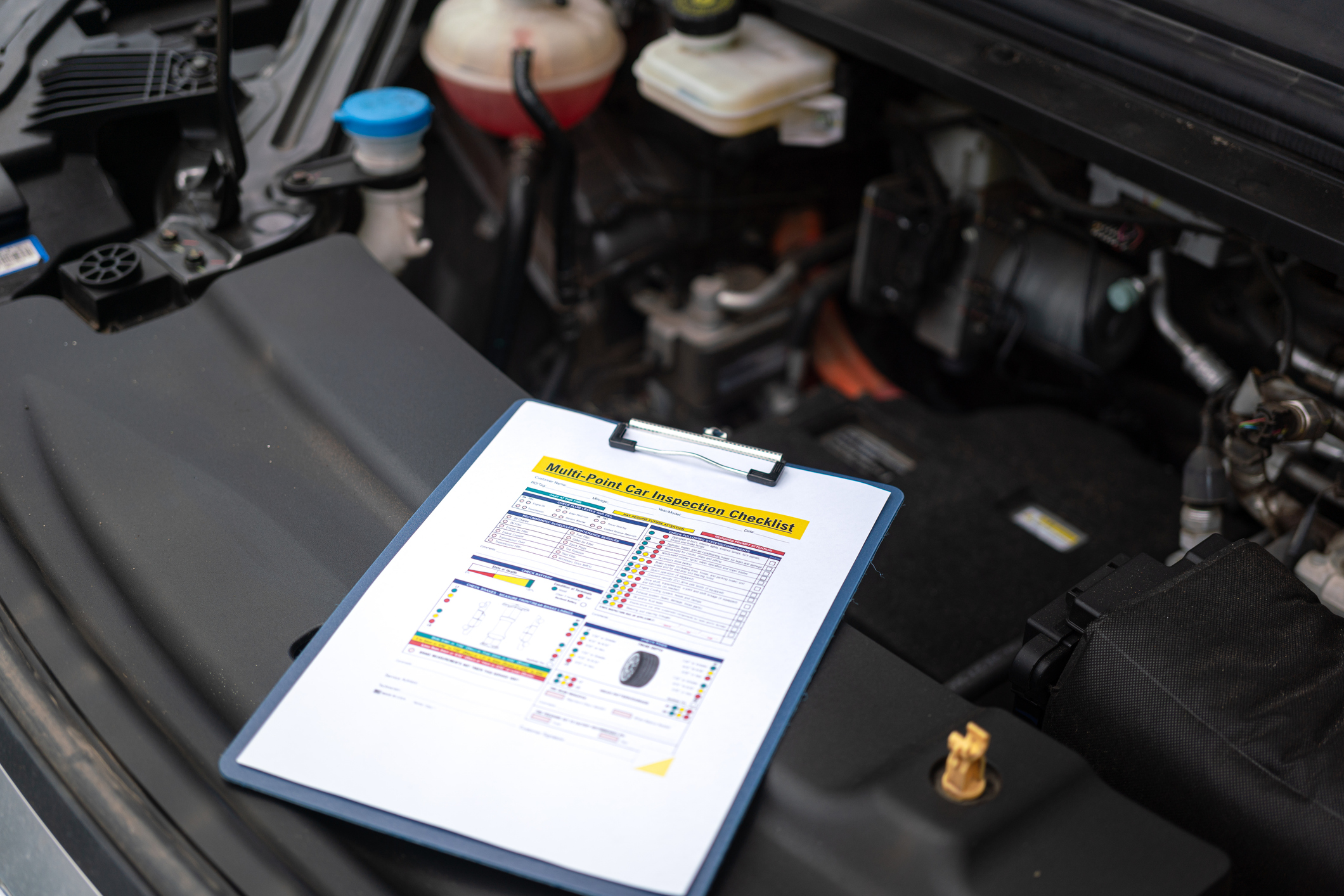
Documentation: The Backbone of a Lemon Law Claim
California Lemon Law protects consumers whose vehicles have substantial defects that the manufacturer cannot repair after a reasonable number of attempts. To succeed, a claim generally has to show three things:
- The defect substantially affected the vehicle’s use, value, or safety
- The defect was reported while the vehicle was under warranty
- The manufacturer was given a reasonable opportunity to repair it
Every one of those elements is proven through documentation. Repair orders establish what you reported and when. Service records show how many times the same problem returned. Dates and mileage figures demonstrate that the defect appeared during the warranty period.
Without solid paperwork, even a genuine lemon can be difficult to prove, because it becomes your memory against the manufacturer’s records. With thorough documentation, the pattern speaks for itself.
What to Collect at Every Repair Visit
The single most valuable habit you can build is collecting a complete set of documents at each visit, before you leave the dealership or service center. The following items form the core of a strong record.
Repair or Work Orders
This is the most important document of all. The repair order should describe the problem you reported in your own words, the work the technician performed, the parts replaced, and the diagnosis. Always ask for a printed copy before you leave, even if the visit did not result in a repair. A visit where the dealership could not replicate the problem is still a documented attempt, and it still counts.
Mileage at Each Visit
Mileage is one of the quiet details that can make or break a claim. It establishes whether the defect was reported within the warranty period and helps show the timeline of the problem. Confirm that the odometer reading printed on each repair order is accurate before you accept it.
In and Out of Service Dates
Record the date you dropped the vehicle off and the date you picked it up. Cumulative days out of service can independently support a claim, so this timeline matters. If the dealership provides a loaner or rental while your vehicle is being repaired, keep that paperwork as well, since it helps confirm how long your vehicle was actually unavailable.
Receipts and Invoices
Keep receipts for anything you paid out of pocket, including diagnostic fees, towing, rental cars, or repairs not covered under warranty. These costs can become part of what you recover, and they further document the burden the defect placed on you.
Diagnostic Reports and Technician Notes
When available, ask for any diagnostic printouts, fault codes, or technician notes associated with the visit. These technical records can be especially persuasive because they capture the problem in the manufacturer’s own system rather than in your description alone.
What to Check Before You Leave the Dealership
Collecting the paperwork is only half the task. Before driving away, take a moment to read the repair order and confirm it accurately reflects what happened.
Dealerships are busy, and errors on paperwork are common. A repair order that understates or misstates your complaint can weaken your record later.
As you review each document, confirm that it accurately captures the following:
- The symptoms you reported. The description should match the problem you actually experienced, not a watered-down version. If you reported that the vehicle lost power on the freeway, the order should say so.
- The specific defect, not a vague summary. A stated concern followed by a real description is far more useful than a generic note such as “checked vehicle.”
- The repair performed or the outcome. If no repair was made because the issue could not be reproduced, the order should say that clearly.
- The correct mileage and date. Small errors here can create confusion about your timeline later.
If something is inaccurate or missing, ask the service advisor to correct it before you leave. It is far easier to fix a document at the counter than to explain a discrepancy months later.

How to Organize Your Records
A strong claim is an organized claim. You do not need special software, only a consistent system you will actually use. Keep every repair order, receipt, and diagnostic report together in one place, whether that is a physical folder at home or a set of photos and scans on your phone.
Photographing each document the moment you receive it is a simple safeguard against lost paper.
Alongside your documents, it helps to keep a simple running log of the problem. Each entry needs only a few details:
- The date of the visit or the date the problem occurred
- The mileage at that time
- A short description of the symptom, including any warning lights
- What the dealership said or did
- The dates your vehicle was out of service
This log does not replace your official paperwork, but it ties everything together and makes patterns easy to see at a glance. When the same defect appears three or four times across several months, a clear log makes that history difficult to dispute.
How Documentation Supports Your Claim
California Lemon Law generally considers whether the manufacturer had a reasonable number of opportunities to repair the same defect, commonly understood as four or more attempts for a recurring issue, or more than 30 cumulative days out of service during the warranty period. Serious safety defects may require fewer attempts. Each of those thresholds is measured through the documents described above.
Acting early matters. Procedural changes to California Lemon Law in recent years have placed greater emphasis on notifying the manufacturer and following the correct steps before pursuing certain remedies. The stronger and more complete your documentation is from the start, the easier it becomes for an attorney to evaluate your claim and act on it quickly.
If you are dealing with a defect that keeps rearing its head, our guides on qualifying for California Lemon Law and filing a claim explain the next steps in detail.
Why Work with The Lemon Lawyer?
Good documentation gives you the foundation of a claim, but knowing whether those records add up to a qualifying lemon takes experience.
The Lemon Lawyer has tallied more than 25 years of California Lemon Law experience and over 3,000 successful cases statewide. We offer direct attorney communication with no assistants or paralegals in between, no upfront legal fees, free consultations, and representation across the entire state.
Because California Lemon Law generally requires manufacturers to pay attorney’s fees when consumers prevail, there is no cost to speak with our team about your claim.
Contact The Lemon Lawyer
If your vehicle keeps returning to the shop for the same problem, your repair records may already tell the story of a lemon. Bring them to a team that knows how to read them.
Reach out to our team today for a free consultation. We can help you determine whether your vehicle qualifies under California Lemon Law.
Let us help you get back on the road with a reliable vehicle.
We work with clients from Bakersfield, Berkeley, Fresno, Long Beach, Oakland, Orange County, San Francisco, Sacramento, San Diego, San Jose, and the entire state of California.