
Is Your Electric Vehicle a Lemon?
Electric vehicles are reshaping the way Californians drive, offering advanced technology, lower fuel costs, and fewer moving parts than gasoline-powered cars.
Like any vehicle, however, an EV can develop defects, and when those defects keep returning despite repeated repair attempts, California Lemon Law can provide relief.
The encouraging news? California Lemon Law generally applies to electric vehicles the same way it applies to gas-powered cars.
If your EV is covered by the manufacturer’s warranty and continues to experience substantial defects that affect its use, value, or safety, you may be entitled to a buyback, a replacement vehicle, or cash compensation.
There are, however, a handful of EV-specific considerations – particularly around battery warranties and newer state durability rules – that are worth understanding.
Does California Lemon Law Cover Electric Vehicles?
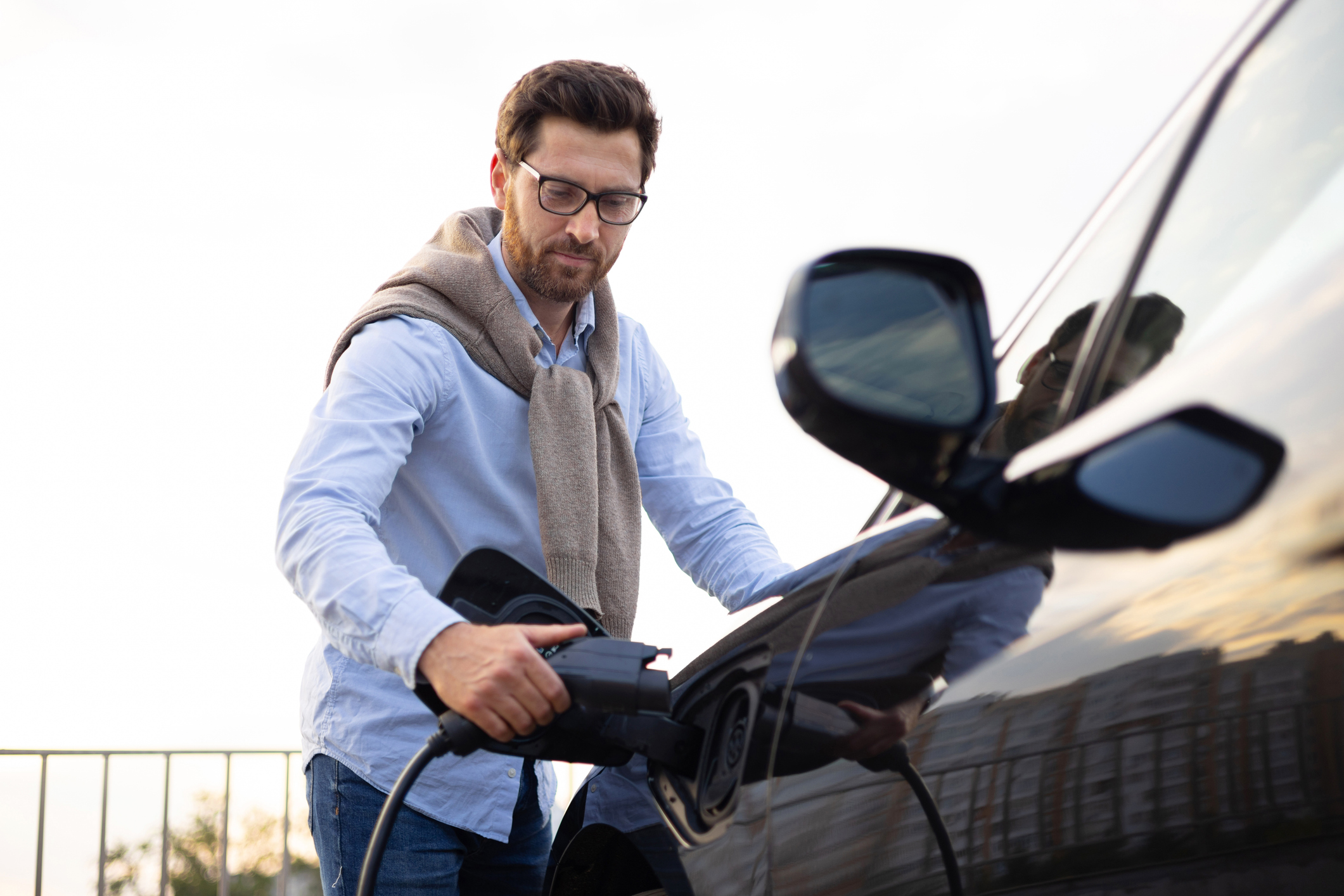
Yes. Electric vehicles purchased or leased in California are generally protected under the Song-Beverly Consumer Warranty Act, provided they are covered by the manufacturer’s warranty and meet the same basic qualifications that apply to traditional vehicles.
Your EV may qualify when:
- The vehicle was purchased or leased for personal, family, or qualifying small-business use
- The defect is covered by the manufacturer’s original warranty
- The defect substantially impairs the vehicle’s use, value, or safety
- The manufacturer has been given a reasonable opportunity to repair the problem
- The issue was not caused by abuse, neglect, accident damage, or unauthorized modifications.
Common EV Defects That May Qualify Under California Lemon Law
While the legal standards are largely the same as for any vehicle, electric vehicles tend to experience a different set of defects than conventional cars.
Battery Problems
The battery is the heart of your EV, and significant battery-related issues can severely affect reliability and the overall ownership experience. Potential qualifying issues include:
- Unexpected battery failure
- Excessive degradation beyond warranty expectations
- Repeated battery warning messages
- Cooling-system failures
- A loss of driving range, inconsistent with normal operation.
Not every range complaint qualifies as a defect – some range loss is normal – but repeated battery-related failures that cannot be repaired may support a claim.
Charging System Failures
An EV that cannot reliably charge may be difficult or impossible to use as intended. Common complaints include:
- Charging-port malfunctions
- Failure to accept a charge
- An inability to fast charge
- Repeated charging interruptions
- Communication errors between the vehicle and charging equipment.
Persistent charging issues are among the most frequently reported problems by EV owners.
Software and Electronic System Defects
Modern EVs rely heavily on software to manage performance, charging, safety systems, and driver interfaces. Potential defects include:
- Repeated software crashes
- Frozen or malfunctioning displays
- Driver-assistance system failures
- Unexpected shutdowns or reduced-power modes
- Persistent warning lights
- Connectivity or operating-system issues that affect how the vehicle operates.
A software problem can qualify for Lemon Law protection if it substantially affects the vehicle’s use, value, or safety.
Electric Drive System Issues
Although EVs do not use traditional engines, they still contain sophisticated drive systems that can fail. Examples include loss of propulsion, motor failures, inverter failures, power-control module defects, and unexpected acceleration or deceleration concerns. These issues can significantly affect both safety and reliability.
EV Battery Warranties: A Key Consideration
Battery warranties are one of the most important EV-specific factors in any Lemon Law analysis.
Most new electric vehicles include a high-voltage battery warranty that is separate from-and usually longer than-the standard bumper-to-bumper coverage.
At the federal level, manufacturers are generally required to cover EV propulsion batteries for at least eight years or 100,000 miles, which is why nearly every new EV meets or exceeds that figure.
Importantly, battery coverage often protects against excessive capacity loss, not just outright failure. Many warranties set a defined threshold – commonly around 70% of original usable capacity – below which the manufacturer must repair or replace the pack while the vehicle remains in term.
If a battery-related defect arises during the applicable warranty period and cannot be resolved after reasonable repair opportunities, it may support a Lemon Law claim.
Because multiple warranty periods can apply to different components of the same EV, battery warranty timelines can be complicated. Reviewing the specific terms that apply to your vehicle is an important early step.
New California Battery Durability Rules (2026 Model Year and Beyond)
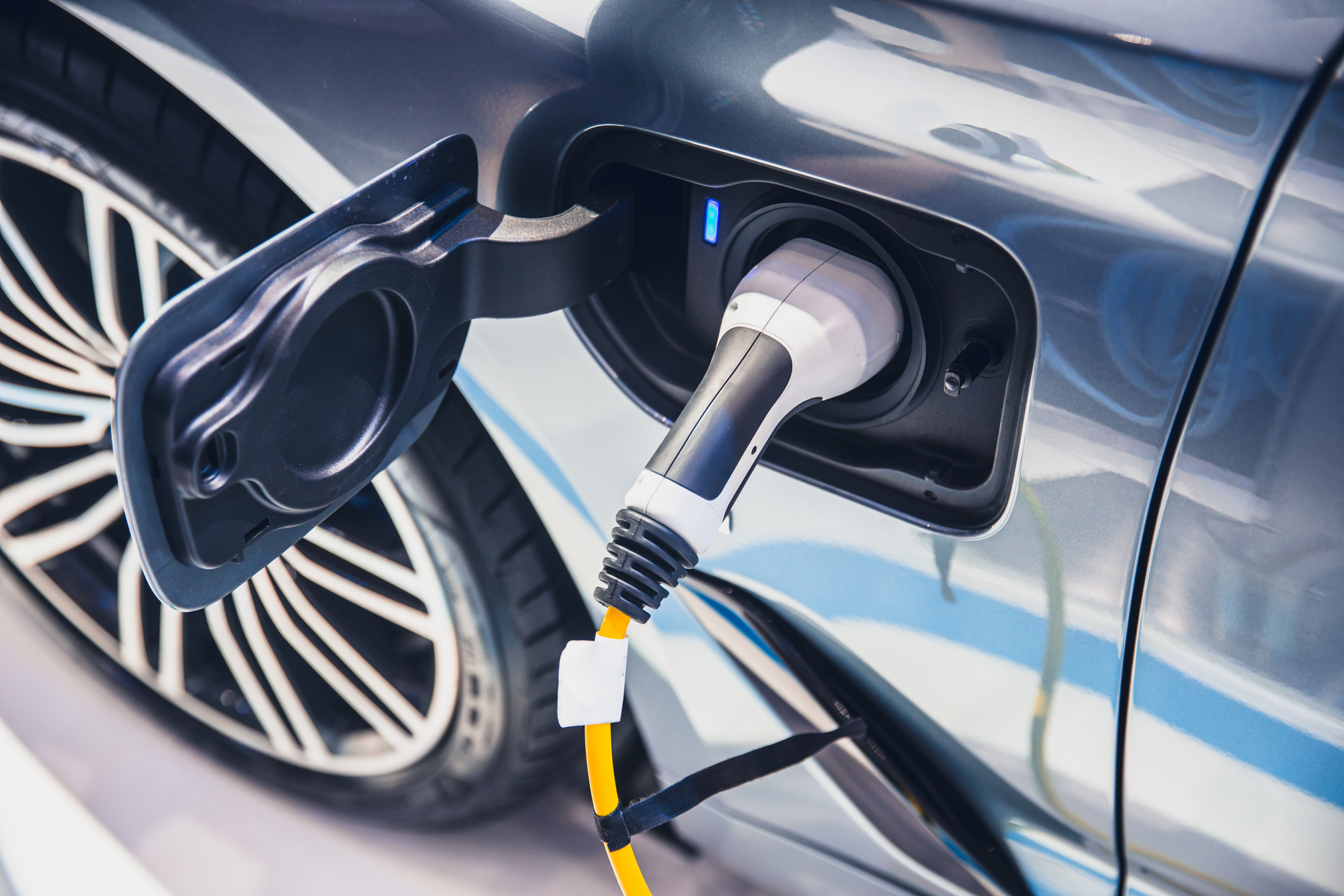
California has begun phasing in stronger battery standards under the Advanced Clean Cars II (ACC II) regulations, which affect certain 2026 model-year and newer zero-emission vehicles certified for sale in the state.
Among other measures, these rules establish minimum battery warranty and durability expectations – generally requiring covered batteries to retain a defined share of their original capacity and range over set time and mileage periods, with the required thresholds increasing for later model years. The rules also contemplate consumer-facing battery state-of-health indicators so owners can monitor their battery’s condition.
These standards are still being phased in. The specific thresholds vary by model year, so they should be treated as an evolving area rather than a fixed guarantee. For owners of newer EVs, however, they may strengthen the case that a degraded or defective battery falls short of what the manufacturer was required to deliver. An experienced attorney can help determine how these rules apply to your particular vehicle.
What Should You Do After the First Repair Attempt?
If your EV has already been repaired once for a recurring issue, this is the time to begin protecting your rights.
- Keep Every Repair Order: Save repair invoices, diagnostic reports, service records, and warranty repair documentation. Your repair history often becomes the foundation of a successful Lemon Law claim.
- Review Service Documentation Carefully: Make sure the dealership accurately recorded the symptoms you reported, the repairs performed, the vehicle’s mileage, and the dates of service. Specific documentation is far more valuable than vague descriptions.
- Track Recurring Problems: Keep a running log of dates, mileage, warning lights, charging failures, battery issues, software errors, and conversations with the dealership. Good records help establish patterns that manufacturers cannot easily dispute.
How Many Repair Attempts Does an EV Need?
The answer is generally the same as for any other vehicle. California Lemon Law typically requires four repair attempts for the same issue, or more than 30 cumulative days out of service during the warranty period, before a vehicle qualifies. Serious safety defects – problems that could cause injury, such as faults affecting braking or steering – often require fewer attempts, frequently as few as two. Because every case is different, reviewing your repair history with an experienced California Lemon Law attorney is important.
A Note on Recent Procedural Changes
California Lemon Law procedures have been updated in recent years. Among other changes, consumers may now be required to send a written demand to the manufacturer requesting a repurchase or replacement before pursuing certain civil penalties, and additional arbitration options have become available.
These process changes apply to vehicles generally, including EVs, and make early documentation and timely action more important than ever. Your attorney can help ensure your claim complies with current requirements.
What Evidence Should You Keep?
The strongest EV Lemon Law claims are typically supported by thorough records. Helpful documentation includes:
- Repair orders and service invoices
- Warranty records
- Battery diagnostics and state-of-health reports
- Charging-system reports
- Vehicle warning messages
- Photos and videos of recurring issues
- Communication with dealerships or the manufacturer
The more documentation you have, the easier it becomes to demonstrate that the manufacturer had reasonable opportunities to repair the defect.
Possible Outcomes of an EV Lemon Law Claim
Depending on the circumstances, California Lemon Law may provide one of several remedies:
- Buyback Refund: The manufacturer may repurchase the vehicle and reimburse qualifying costs, such as your down payment, monthly payments, and remaining loan balance.
- Replacement Vehicle: You may receive a comparable replacement vehicle.
- Cash Compensation: In some cases, consumers may choose a cash settlement while keeping the vehicle. The appropriate remedy depends on the facts of the case and the consumer’s goals.
Why Work With The Lemon Lawyer?
Electric vehicles present unique challenges involving batteries, charging systems, software, and rapidly evolving technology and regulation. Determining whether these issues rise to the level of a qualifying defect often requires a careful review of warranty coverage and repair history.
The Lemon Lawyer brings more than 25 years of California Lemon Law experience, over 3,000 successful cases statewide, direct attorney communication, no upfront legal fees, free consultations, and statewide representation. Most importantly, California Lemon Law generally requires manufacturers to pay attorney’s fees when consumers prevail, meaning there is no cost to speak with our team about your claim.
Contact The Lemon Lawyer
If your electric vehicle continues experiencing recurring warranty-covered defects, don’t assume the problem is simply part of owning new technology. You may have rights under California Lemon Law. Contact The Lemon Lawyer today for a free consultation to find out whether your EV may qualify.
Why Work With The Lemon Lawyer?
Electric vehicles present unique challenges involving batteries, charging systems, software, and rapidly evolving technology and regulation. Determining whether these issues rise to the level of a qualifying defect often requires a careful review of warranty coverage and repair history.
The Lemon Lawyer brings more than 25 years of California Lemon Law experience, over 3,000 successful cases statewide, direct attorney communication, no upfront legal fees, free consultations, and statewide representation. Most importantly, California Lemon Law generally requires manufacturers to pay attorney’s fees when consumers prevail, meaning there is no cost to speak with our team about your claim.